
What if your persistent fatigue isn’t a sign that you’re working too hard, but rather evidence that your internal metabolic engine has lost its ability to shift gears? You’ve likely tried sleeping more or pushing through the afternoon brain fog, yet the weight around your midsection remains and your ability to “switch off” at 8:00 PM feels nearly impossible. It’s frustrating to feel your cognitive edge slip when your lifestyle demands peak performance. This is where a functional medicine approach to chronic stress changes the conversation from merely managing symptoms to actively optimizing your cellular biology.
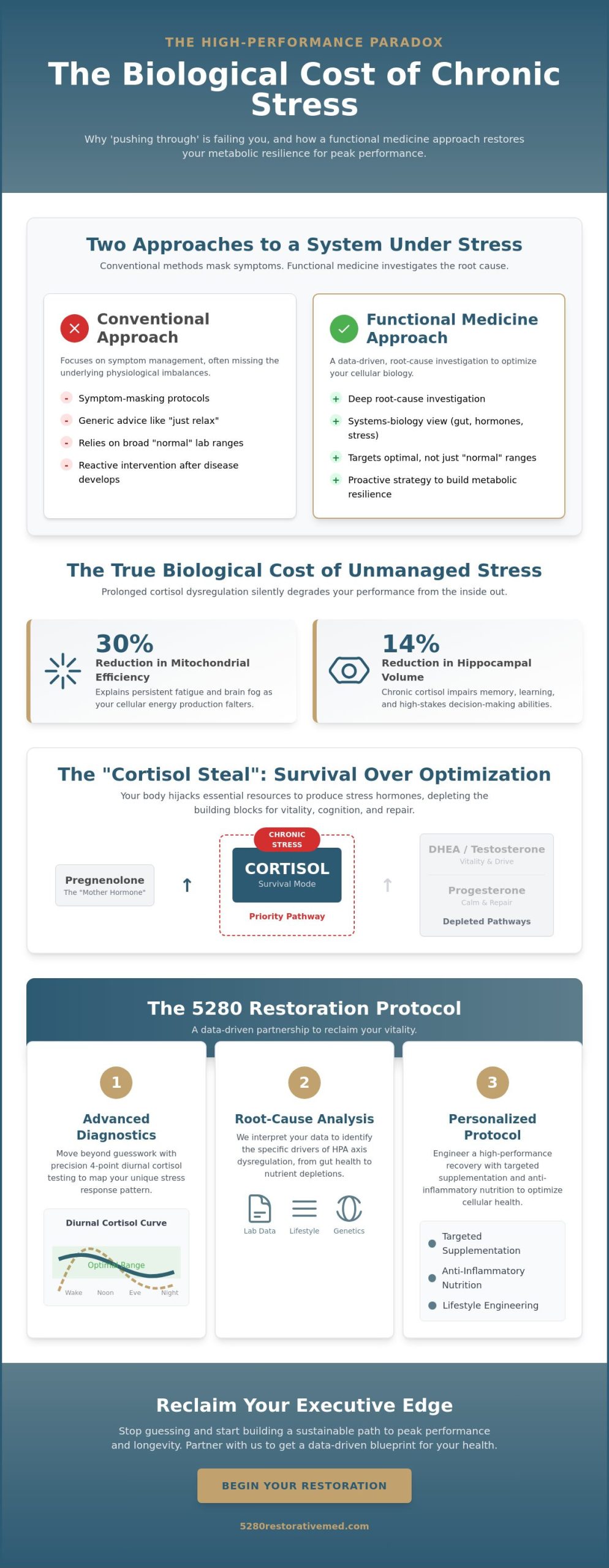
Clinical data suggests that prolonged cortisol dysregulation can lead to a 30% reduction in mitochondrial efficiency, explaining why the “pushing through” strategy eventually fails. At 5280 Restorative Medicine, we believe your health shouldn’t be a guessing game based on generic advice. We’ll show you how advanced diagnostics and personalized protocols can identify the hidden root causes of burnout and restore your physiological capacity for high-pressure environments. You’re about to discover a data-driven blueprint for lasting restoration and metabolic resilience that treats your vitality as a proactive journey rather than a reactive necessity.
Key Takeaways
- Move beyond conventional symptom-masking by embracing a functional medicine approach to chronic stress that focuses on a deep, root-cause investigation of your physiological systems.
- Replace guesswork with precision data by utilizing 4-point diurnal testing to identify HPA axis dysregulation and its specific impact on your metabolic resilience.
- Learn to engineer a high-performance recovery using a tiered protocol of targeted supplementation and anti-inflammatory nutrition designed to optimize your cellular health.
- Establish a sustainable path toward longevity and peak performance through a structured clinical partnership that prioritizes personalized restoration over generic health advice.
The Functional Medicine Paradigm: Why ‘Just Relax’ Isn’t a Clinical Strategy
You’ve likely been told to “take a vacation” or “try meditating” when your energy flags and your focus begins to blur. While well-intentioned, these suggestions fail to address the profound physiological shifts occurring beneath the surface. A functional medicine approach to chronic stress isn’t merely about stress management; it’s a rigorous, root-cause investigation into how your biological systems are responding to modern demands. We view stress as a systemic challenge rather than a psychological state.
The conventional medical model often operates on a symptom-masking basis, where intervention only occurs once a pathology is clearly defined. In contrast, the functional model utilizes systems-biology to identify imbalances before they manifest as a named disease. Chronic stress creates a measurable biological cost that eventually exceeds the body’s ability to repair itself. Our goal at 5280 Restorative Medicine is to build Metabolic Resilience, which is the capacity of your cells and systems to adapt to stressors without collapsing into burnout or dysfunction.
Moving Beyond the ‘Normal’ Lab Result
Standard blood panels are designed to identify acute disease, not to optimize performance. These “clinical ranges” are based on a statistical average of the population, which includes individuals with various degrees of undiagnosed illness. If you’re a high-performer, being “within range” isn’t enough. We look for optimal ranges, which are much tighter windows where cognitive function and energy production are at their peak. Utilizing functional health and wellness strategies allows us to catch sub-clinical imbalances, such as early-stage cortisol dysregulation or nutrient depletions, that standard tests frequently overlook.
The Interconnectedness of Stress, Gut, and Hormones
Functional medicine views the body as an integrated web rather than a collection of isolated organs. When the brain perceives a threat, the ripple effect moves through the HPA axis, impacting gut permeability and thyroid function. This systemic strain can even trigger mast cell activation syndrome and widespread inflammation, leaving you feeling reactive to your environment. By understanding these connections, we can stop the cycle of systemic burnout. This perspective sets the stage for a deeper dive into the specific hormonal and cellular mechanisms that dictate your daily vitality.
The Biological Cost of High Performance: HPA Axis Dysregulation
High performance often masks a hidden physiological debt that accumulates long before symptoms become debilitating. This process centers on the HPA axis and the stress response, a complex feedback loop between the hypothalamus, pituitary gland, and adrenal glands. When you face a perceived threat, your hypothalamus releases corticotropin-releasing hormone, which prompts the pituitary to secrete adrenocorticotropic hormone. This signals your adrenals to release cortisol, the body’s primary stress hormone. While this system is designed for short-term survival, modern life keeps it in a state of constant activation.
The progression from acute stress to HPA axis dysregulation is often mislabeled as “adrenal fatigue.” In reality, your adrenals don’t usually fail; instead, the brain downregulates its signal to protect the body from cortisol’s catabolic effects. This shift leads to the “Cortisol Steal,” where the body prioritizes survival over reproduction and repair. Pregnenolone, the mother hormone, is diverted to produce cortisol instead of DHEA, testosterone, or progesterone. This hormonal hijacking results in decreased executive function and neuro-inflammation. Research indicates that chronic cortisol elevation can lead to a 14 percent reduction in hippocampal volume, impairing your ability to make high-stakes decisions and maintain mental clarity.
The Cortisol-DHEA Balance
Maintaining metabolic health requires a delicate dance between catabolic and anabolic states. Cortisol is catabolic, meaning it breaks down tissues for energy, while DHEA is anabolic, focusing on cellular repair and immune function. A functional medicine approach to chronic stress prioritizes the ratio of these hormones rather than looking at cortisol in isolation. A high ratio signals that your body is breaking itself down faster than it can rebuild. The “Wired but Tired” phenomenon is a specific stage of HPA dysregulation where cortisol levels spike at night and remain low in the morning, flipping your natural circadian rhythm. Identifying these patterns is the first step toward hormonal optimization.
Inflammation: The Silent Driver of Burnout
Chronic stress is a physical assault on your digestive integrity. Elevated cortisol levels weaken the tight junctions of your intestinal lining, leading to intestinal permeability, or Leaky Gut. This allows lipopolysaccharides and other toxins to enter the bloodstream, triggering a systemic inflammatory response. This inflammation is a primary driver of insulin resistance, even in athletes or individuals with a body fat percentage below 15 percent. We utilize functional medicine denver philosophies to bridge the gap between clinical data and your daily performance. By addressing the root causes of inflammation, you can restore your cellular health and regain your edge. If you’re ready to move beyond basic symptom management, you can explore how to engineer metabolic resilience through a personalized clinical plan.
Advanced Diagnostics: Precision Testing for Stress Resilience
High-performers often attempt to “power through” exhaustion, yet this reactive strategy rarely yields long-term results. At 5280 Restorative Medicine, we replace guesswork with clinical data. A functional medicine approach to chronic stress demands a deep dive into your unique biochemistry. Traditional blood tests often miss the nuances of HPA-axis dysfunction because they only capture a single moment in time. Instead, we utilize 4-point diurnal salivary or urinary cortisol testing. This method maps your hormone production over a 24-hour cycle, revealing whether your “tired but wired” feeling stems from a morning cortisol slump or a midnight surge.
Chronic activation of the stress response is metabolically expensive. It drains essential micronutrients like magnesium, zinc, and B-vitamins, which are vital for cellular energy. Metabolic testing identifies these specific deficiencies, allowing us to create a targeted replenishment strategy. While integrative stress treatments like meditation and acupuncture provide immediate relief, precision diagnostics ensure your cellular machinery has the raw materials required for recovery. We focus on restoration rather than just symptom management.
Genetic Analysis: COMT, MTHFR, and Stress Processing
Your DNA acts as the blueprint for your stress tolerance. We focus on specific markers like the COMT gene, which dictates how efficiently your brain clears catecholamines like dopamine and norepinephrine. If you possess a “slow” COMT variant, stress hormones linger in your system, leading to anxiety and sleep disturbances. The MTHFR gene influences methylation, a process critical for neurotransmitter production. Understanding these genetic predispositions allows us to implement epigenetic interventions. We can bypass biological bottlenecks with specific methylated nutrients or lifestyle shifts tailored to your genetic code, ensuring your brain processes stress efficiently.
Hormone Optimization for Resilience
Stress does not exist in a vacuum; it actively degrades your hormonal landscape. Prolonged cortisol elevation often leads to a “pregnenolone steal,” where the body prioritizes stress hormones over testosterone and progesterone. This shift results in brain fog, low libido, and decreased muscle mass. For many patients, restoring balance requires bhrt to bridge the gap during the recovery phase. We also monitor thyroid function closely. Since stress can trigger up to 20% of autoimmune thyroid flares, testing for TPO antibodies is a standard part of our protocol to ensure your metabolism remains protected from inflammatory damage.
The Restoration Protocol: Engineering a High-Performance Recovery
Recovery is a precise clinical requirement for metabolic resilience. The functional medicine approach to chronic stress moves beyond basic rest, utilizing a tiered strategy that integrates nutrition, supplementation, and advanced bio-optimization. You can’t simply sleep your way out of deep cellular depletion. We focus on an anti-inflammatory foundation to provide immediate neuro-protection. This nutritional framework stabilizes blood sugar and reduces the oxidative stress that often damages the delicate tissues of the brain and nervous system during prolonged periods of high cortisol. By lowering systemic inflammation, we create the internal environment necessary for the HPA axis to reset.
Targeted Nutritional and Supplement Protocols
Generic multivitamins often fail because they don’t account for the rapid nutrient turnover caused by chronic sympathetic activation. When you’re under constant pressure, your body consumes B-vitamins and magnesium at an accelerated rate. We prioritize gut-healing protocols because 95% of the body’s serotonin is produced in the digestive tract. A compromised gut-brain axis makes it nearly impossible to regulate mood or stress response effectively. To act as metabolic shock absorbers for your nervous system, we focus on four key nutrients:
- Magnesium Glycinate: Essential for over 300 enzymatic reactions, it calms the nervous system and improves sleep architecture.
- Methylated B-Vitamins: These support methylation and provide the raw energy required for neurotransmitter synthesis.
- Ashwagandha: An adaptogen shown in a 2012 study to reduce serum cortisol levels by up to 27% in stressed adults.
- Rhodiola Rosea: This botanical enhances mental clarity and prevents the “burnout” fatigue associated with chronic sympathetic drive.
Bio-Optimization: NAD+ and Red Light Therapy
At 5280 Restorative Medicine, we utilize advanced tools to accelerate cellular repair. Red light therapy optimizes mitochondrial function by stimulating cytochrome c oxidase, which reduces systemic inflammation and boosts ATP production. When your mitochondria are efficient, your body can handle higher stressors without a metabolic crash. We also integrate NAD+ therapy to facilitate DNA repair and restore cellular energy levels that have been drained by years of high-demand living. These therapies aren’t “biohacks” but clinical tools for restoring cellular vitality. This sophisticated functional medicine approach to chronic stress ensures you aren’t just surviving the day, but thriving within it.
Ready to reclaim your energy? You can schedule a comprehensive metabolic assessment with our expert team to begin your personalized restoration journey.
Reclaiming Your Vitality: The Executive Health Advantage
True physiological transformation isn’t a weekend retreat or a brief supplement cycle. It’s a calculated, multi-month process. Your endocrine system and metabolic pathways require at least 90 to 180 days to establish a new, stable baseline after years of high-cortisol living. Utilizing a functional medicine approach to chronic stress ensures that every intervention is grounded in your unique biology, allowing your body to move past survival mode. This structured clinical partnership provides the oversight necessary to navigate complex hormonal shifts and cellular repair without the guesswork of DIY wellness.
The goal eventually shifts from mere recovery to high-level optimization. You aren’t just trying to reach a “normal” range; you’re aiming for the biological markers of a much younger individual. This transition into longevity-focused care is the ultimate competitive advantage for high-performers. When your cognitive clarity, sleep quality, and energy levels are optimized, your professional output and personal presence improve by default. You’ve spent decades building your career; now it’s time to build the biological infrastructure that supports it for decades to come.
The Architecture of an Executive Health Program
Effective executive health programs are built on precision and consistency. These programs move beyond standard physicals by integrating advanced diagnostics with continuous support. A 5280 Restorative Medicine protocol typically includes:
- Monthly Biometric Reviews: We track your progress through blood chemistry, hormonal panels, and inflammatory markers to ensure the protocol remains effective.
- Iterative Adjustments: As your body heals, your needs change. We adjust your nutrition, supplementation, and bio-identical hormone replacement therapy (BHRT) in real-time.
- Global Accessibility: Health doesn’t stop when you travel. Virtual consultations allow you to maintain your clinical partnership and health trajectory from any time zone.
Next Steps: Partnering for Peak Performance
It’s time to stop settling for “fine” and start aiming for “optimal.” Many high-performers accept fatigue and brain fog as inevitable parts of aging or a demanding career, yet these are often just symptoms of a system out of balance. This functional medicine approach to chronic stress bridges the gap between where you are and where your biology is capable of being. You don’t have to navigate this journey alone; you need an expert guide who understands the intersection of high-stakes leadership and metabolic health.
The journey begins with a comprehensive diagnostic consultation. We’ll analyze your current biomarkers, discuss your long-term longevity goals, and design a blueprint tailored specifically to your life. Take the first step toward a superior state of health today. Schedule your comprehensive health assessment with 5280 Restorative Medicine and start your journey toward lasting restoration and peak performance.
Master Your Biology for Sustained High Performance
Chronic stress isn’t a character flaw or a simple case of burnout; it’s a measurable physiological disruption of your HPA axis. Moving beyond the “just relax” mantra requires a sophisticated functional medicine approach to chronic stress that treats your health as a high-stakes asset. By utilizing advanced metabolic and genetic testing, we move past symptoms to identify the precise cellular markers of your fatigue. This data-driven strategy ensures that your recovery isn’t left to chance. Our clinical focus remains on the biological infrastructure of your success.
At 5280 Restorative Medicine, Dr. Marci Catallo-Madruga leads a boutique clinical practice focused on engineering metabolic resilience. We replace generic wellness advice with tailored protocols designed to restore your energy and optimize your cognitive clarity. Our Executive Health Program provides the clinical authority you need to reclaim your edge and maintain it for decades to come. You’ve mastered your professional world; it’s time to master the biological systems that power it.
Reclaim your vitality and peak performance; apply for our Executive Health Program today.
Your path to a superior state of health is ready. We’re here to guide you through every stage of your restoration journey.
Frequently Asked Questions
How is functional medicine different from traditional therapy for stress?
Functional medicine addresses the underlying physiological imbalances caused by stress rather than focusing solely on psychological coping mechanisms. While traditional therapy provides mental tools, a functional medicine approach to chronic stress investigates how cortisol dysregulation affects your gut microbiome and cellular energy. We utilize advanced diagnostics to map your unique biochemical response. This ensures your recovery plan includes targeted nutrient therapy and hormonal optimization alongside lifestyle adjustments.
What are the first physical signs that chronic stress is affecting my metabolism?
Unexplained midsection weight gain and afternoon energy crashes are the primary physical indicators of metabolic disruption. According to a 2023 study in the Journal of Clinical Endocrinology, elevated cortisol can reduce insulin sensitivity by 25 percent in high-stress individuals. You might also notice intense sugar cravings or a “tired but wired” feeling at 10 PM. These signs indicate your body is prioritizing survival over efficient calorie burning and thyroid function.
Can functional medicine help if my doctor says my thyroid and cortisol levels are ‘normal’?
Yes, because we focus on “optimal” ranges rather than the broad “normal” lab values that often miss subclinical dysfunctions. Standard labs often use a 95 percent population average, which includes many people who are already unwell. At 5280 Restorative Medicine, we look for functional markers that signal a decline in vitality before a disease state occurs. This allows us to intervene when your levels are drifting toward the edges of the reference range.
How long does it typically take to see results from a stress restoration protocol?
Most patients report improved sleep and mental clarity within the first 21 days of starting their personalized protocol. However, full metabolic restoration and hormonal balancing typically require 3 to 6 months of consistent intervention. This timeline allows your HPA axis to reset and your cellular mitochondria to recover from oxidative damage. We monitor your progress through follow-up testing at the 90-day mark to ensure your biomarkers are trending toward optimization.
What specific lab tests are most important for diagnosing chronic stress?
The DUTCH (Dried Urine Test for Comprehensive Hormones) and a 4-point salivary cortisol test are the most critical diagnostics for assessing your stress response. These tests provide 24-hour data on your cortisol rhythm, whereas a single blood draw only captures a snapshot in time. We also measure high-sensitivity C-reactive protein (hs-CRP) to quantify systemic inflammation. These metrics allow us to create a precise blueprint for your functional medicine approach to chronic stress.
Are the supplements used in functional medicine different from over-the-counter options?
We utilize pharmaceutical-grade nutraceuticals that undergo third-party testing for purity and bioavailability, which standard retail brands often lack. A 2015 study by the New York Attorney General’s office found that 80 percent of mass-market supplements didn’t contain the ingredients listed on their labels. Our prescriptions use active forms of nutrients, such as methylfolate instead of folic acid. This ensures your body can actually absorb and utilize the compounds to support cellular repair.
Can I do a functional medicine program for stress remotely?
You can complete nearly 90 percent of our stress restoration programs through our secure telehealth platform. We ship diagnostic kits directly to your home for saliva, urine, and finger-prick blood samples. Once your results are ready, we conduct comprehensive virtual consultations to review your data and adjust your plan. This remote accessibility ensures that busy executives and out-of-state patients can access specialized care without the need for frequent travel to our Denver clinic.
Is it possible to reverse the effects of long-term executive burnout?
Recovery from executive burnout is entirely possible through targeted neuro-endocrine restoration and mitochondrial support. Research published in the journal Nature indicates that the brain’s prefrontal cortex can regain its structural density once chronic cortisol exposure is mitigated. By optimizing your sleep architecture and balancing your adrenal output, we help you regain the 15 to 20 percent of cognitive efficiency often lost during periods of high-intensity stress. You aren’t just returning to baseline; you’re reaching a superior state of performance.