
What if the exhaustion you feel after switching to a nutrient-dense eating plan isn’t a sign of personal failure, but a sophisticated biological SOS from your metabolism? It is a common paradox. You trade processed convenience for whole foods, yet you are met with crushing fatigue and a mental fog that hinders your professional performance. You have followed the standard advice, yet you’re left wondering why do i feel worse after starting a new diet while others seem to find instant energy.
We understand that this “dietary whiplash” is more than just an inconvenience; it’s a signal that your bio-individual metabolic machinery is struggling to adapt to a generic protocol. You deserve to know that your symptoms have a verifiable biological root cause. In this guide, we will bridge the gap between complex science and your daily well-being by uncovering why these reactions occur. We’ll provide a roadmap to troubleshoot your current nutrition plan, moving you from a state of depletion toward the peak physical and mental performance you expect from your health journey. You’ll gain a clear understanding of the Herxheimer reaction and the “Keto Flu,” alongside bespoke strategies to restore your metabolic vitality.
Key Takeaways
- Understand that a “healing crisis” is often a metabolic transition where your body struggles to switch fuel sources or manage sudden nutritional shifts.
- Uncover the physiological root causes of why do i feel worse after starting a new diet, including the critical “electrolyte gap” and gut microbiome overwhelm.
- Learn how dietary stress contributes to your total allostatic load, potentially hindering professional performance when generic protocols clash with high-stress lifestyles.
- Discover a clear roadmap to troubleshoot your nutrition by auditing bioavailable minerals and prioritizing sleep quality before tightening dietary restrictions.
- Transition from nutritional guesswork to precision health by utilizing advanced metabolic testing to engineer a protocol tailored to your unique biology.
The ‘Adjustment Phase’: Why Your Body Revolts Against New Nutrition
The initial days of a clean eating protocol often feel less like a renewal and more like a physical rebellion. You expect to wake up with boundless energy; instead, you find yourself anchored by unexplained fatigue and persistent headaches. This phenomenon is frequently termed a “healing crisis.” It occurs when your body undergoes significant nutritional shifts that disrupt your previous homeostatic balance. If you have spent years wondering why do i feel worse after starting a new diet, the answer often lies in the friction of metabolic transition. Your cells are essentially relearning how to process nutrients after a long period of standardized, often processed, intake.
During this phase, your body is not just changing what you eat; it is recalibrating its entire energy production system. Switching primary fuel sources, such as moving from a glucose-heavy diet to one focused on healthy fats, requires a suite of enzymatic adaptations that don’t happen overnight. While the goal is long-term vitality, the short-term reality can include “dietary whiplash” marked by brain fog and digestive shifts. It is vital to recognize that while some discomfort is a natural byproduct of change, certain adverse effects of dieting can signal that a protocol is too restrictive or poorly matched to your unique biology. Differentiating between a temporary adjustment and a fundamental metabolic mismatch is the first step toward achieving peak performance. Understanding these biological signals helps answer the question of why do i feel worse after starting a new diet, allowing you to navigate the transition with clinical confidence.
Understanding the Herxheimer Reaction
When you pivot toward a diet low in refined sugars and high in whole foods, your gut microbiome undergoes a rapid transformation. This shift can cause certain opportunistic bacteria to die off, which releases endotoxins into your system. Your liver must then work overtime to process these metabolic byproducts, often manifesting as skin breakouts, lethargy, or mild flu-like symptoms. The Herxheimer reaction is a temporary inflammatory response to microbial shifts within the body. While uncomfortable, it often indicates that your internal ecosystem is clearing out stagnant elements to make room for healthier flora.
The Science of Metabolic Flexibility
Metabolic flexibility is your body’s ability to switch seamlessly between burning carbohydrates and fats based on availability. Many high-performers suffer from a “stiff” metabolism, where the body has lost the efficiency required to utilize different fuel sources effectively. When you suddenly remove the easy-access glucose your body is accustomed to, a lack of flexibility causes the brain fog and “crashing” sensations that lead many to abandon their goals. We focus on engineering metabolic resilience to ensure your system can handle these transitions without compromising your professional output or daily clarity.
3 Metabolic Reasons Your New Diet is Backfiring
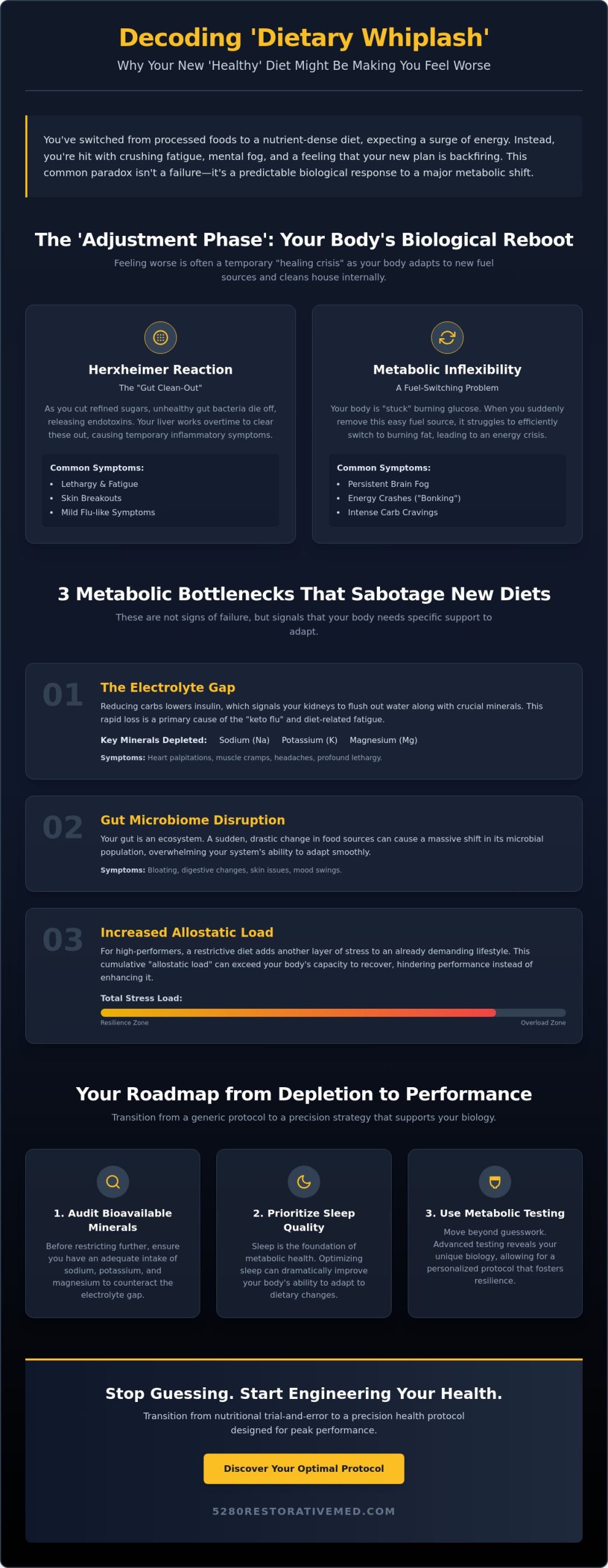
When you transition to a cleaner nutrition plan, your body doesn’t just shed weight; it shifts its entire chemical foundation. While many assume that eating “clean” should result in immediate clarity, the biological reality is often more complex. Many patients ask why do i feel worse after starting a new diet, and the answer frequently lies in three specific metabolic bottlenecks that occur when a generic protocol meets a unique physiology. These hurdles are not signs of failure, but rather indicators that your internal machinery requires specific support to complete its transformation.
The Electrolyte Imbalance Trap
One of the most common causes of dietary fatigue is the “Electrolyte Gap.” When you reduce refined carbohydrates, your insulin levels drop significantly. This is generally a positive health marker, but it signals the kidneys to release water and essential minerals, particularly sodium and magnesium. This rapid loss can cause heart palpitations, muscle cramps, and profound lethargy. To maintain cellular energy, your body requires a precise ratio of sodium, potassium, and magnesium daily. Without these, you might experience symptoms that mimic clinical burnout, making the side effects of changing your diet feel insurmountable. Restoring these minerals is often the first step in regaining your professional edge.
Gut Microbiome Dysbiosis and Sudden Fiber Intake
Adding massive amounts of cruciferous vegetables and legumes might seem like the ultimate health move. However, if you have underlying Small Intestinal Bacterial Overgrowth (SIBO), this fiber influx acts as fuel for the wrong bacteria. This fermentation process leads to painful bloating and gas, leaving you more uncomfortable than when you were eating processed foods. Your gut needs time and often specific clinical intervention to adapt to these changes. Identifying these barriers often requires a comprehensive gut health assessment to ensure your microbiome is prepared for new inputs before you escalate your fiber consumption.
A third reason for this “backfire” is the concept of nutrient theft. Many new dietary protocols lack the specific co-factors, such as B-vitamins or zinc, required for your mitochondria to process new fuel sources. Furthermore, when you remove sugar, you lose its ability to mask latent inflammation. Chronic issues that were previously hidden by the dopamine spikes of processed foods become visible, manifesting as joint pain or skin flares. If you find yourself struggling with why do i feel worse after starting a new diet, it may be time to look deeper at your specific micronutrient needs. A tailored Nutritional Counseling session can help bridge these metabolic gaps and ensure your transition leads to superior physical function.
The Executive Performance Gap: Why Generic Diets Fail High-Performers
Managing a high-stakes career requires a metabolic foundation capable of sustaining intense cognitive focus and emotional regulation. Standard nutritional advice often fails the executive or entrepreneur because it ignores the unique physiological demands of a high-pressure lifestyle. This performance gap occurs when the biological limitations of a standardized nutrition plan collide with the rigorous demands of your professional life. When you apply a restrictive protocol to a high-stress environment, you increase your total allostatic load. This cumulative burden of stress pushes your system past its limit, explaining why do i feel worse after starting a new diet even when the plan appears healthy on paper.
A one-size-fits-all approach compromises peak performance. Your body views a significant calorie deficit or a sudden carbohydrate restriction as a survival threat. If you find yourself asking why do i feel worse after starting a new diet, recognize that dietary stress triggers a cascade of metabolic issues that hinder executive function rather than enhancing it. True optimization requires a bespoke strategy that respects your body’s current stress levels and metabolic capacity.
Cortisol and the Diet-Stress Connection
Restrictive eating patterns inadvertently spike cortisol levels in high-stress environments. In a body already managing professional pressure, this triggers a survival response that prioritizes short-term energy over long-term repair. You might experience a “tired but wired” sensation, where you feel physically exhausted yet remain unable to achieve restorative sleep. This HPA-axis activation disrupts blood sugar stability, leading to the very brain fog you intended to avoid. High-performers require nuanced nutritional strategies that support, rather than deplete, their hormonal reserves. A personalized approach ensures that your dietary changes don’t become just another source of exhaustion for your system.
Mitochondrial Optimization for Energy
Mitochondrial health dictates your professional output. These cellular powerhouses convert nutrients into the ATP required for every strategic thought and high-level decision. Generic diets often starve these engines of essential co-factors, such as specific B-vitamins or trace minerals, causing a dip in cognitive endurance. We often look beyond nutrition to specialized interventions to support this transition. For instance, utilizing red light therapy optimizes mitochondrial function during dietary shifts, ensuring your cells have the energy needed to exceed baseline performance and maintain professional clarity.
How to Troubleshoot Your Nutrition Plan Without Giving Up
Feeling depleted during a nutritional pivot is a diagnostic signal, not a reason to retreat. While generic health advice often suggests you “just wait it out,” a functional medicine approach prioritizes active troubleshooting to prevent metabolic burnout. If you are questioning why do i feel worse after starting a new diet, the solution lies in refined adjustments rather than total abandonment. Your body requires a steady hand and clinical precision to navigate these transitions successfully.
- Step 1: Audit your mineral intake. Prioritize bioavailable electrolytes, specifically sodium, potassium, and magnesium, to close the gap created by dropping insulin levels.
- Step 2: Assess sleep and stress. If you are already managing a high allostatic load, tightening dietary restrictions may be counterproductive. Ensure you are achieving seven to nine hours of restorative sleep before further caloric reduction.
- Step 3: Slow the transition. Allow your gut microbiome to adapt by gradually increasing fiber or protein intake over several weeks rather than days.
- Step 4: Track performance biomarkers. Measure success through cognitive clarity, morning energy, and recovery rates rather than just the number on a scale.
- Step 5: Seek professional guidance. Consult a provider to identify latent biological roadblocks like heavy metal toxicity or hidden food sensitivities.
Strategic Reintroduction and Pacing
We utilize the titration method for introducing new variables, whether it is a specific food group or an intermittent fasting window. This involves starting with minimal exposures and monitoring your system’s response before escalating. Keeping a detailed food and symptom journal allows you to identify specific triggers that generic plans overlook. Distinguishing “good” discomfort, such as transient fatigue as your body shifts fuel sources, from “bad” metabolic distress, like persistent insomnia or severe digestive pain, is essential for long-term adherence. If you find the process overwhelming, schedule a Functional Medicine Consultation to move beyond generic advice and receive a plan tailored to your unique physiology.
The Role of Targeted Supplementation
Generic multivitamins often fail because they don’t address the specific demands of a metabolic shift. Targeted supplementation, such as digestive enzymes to assist with increased fiber or adrenal supports to manage cortisol spikes, can ease the transition significantly. These tools aren’t meant to mask symptoms but to provide the co-factors your mitochondria need to function at a superior state. We emphasize root-cause optimization to ensure that your supplement protocol supports your body’s innate ability to heal and perform, rather than just providing a temporary fix for dietary discomfort.
Engineering Your Optimal Protocol Through Metabolic Testing
Guessing with your biology is a high-risk strategy that few executives would tolerate in their business operations. Yet, when it comes to nutrition, many rely on trial and error based on the latest wellness trends. This lack of precision is exactly why do i feel worse after starting a new diet for so many high-performers. Without data, you are essentially shooting in the dark, hoping your unique genetic makeup aligns with a generic meal plan. Advanced Metabolic Testing removes this uncertainty by identifying exactly how your body utilizes fuel. Some individuals are naturally more efficient at oxidizing fats, while others require a higher carbohydrate threshold to maintain cognitive stamina. Understanding your specific oxidative priority allows us to engineer a protocol that fuels your brain and body with surgical accuracy.
Precision medicine utilizes genetic analysis to refine this approach by predicting your physiological response to specific macronutrients. For example, certain genetic markers indicate a high sensitivity to saturated fats, which can trigger systemic inflammation in some while providing stable energy for others. By identifying these predispositions through Genetic Analysis, we move beyond the frustration of “eating clean” but feeling depleted. Personalized protocols are the ultimate tool for achieving sustainable vitality, ensuring that every nutritional choice you make is an investment in your long-term health rather than a metabolic gamble.
Beyond Standard Bloodwork
Traditional medical models often focus on “normal” lab ranges, which are designed to detect the presence of disease rather than the presence of health. In our practice, we prioritize “optimal” performance ranges. This involves analyzing the intricate interplay between your hormones, nutrient levels, and genetics to find the precise balance required for peak cognitive and physical output. Our Executive Health Programs are designed specifically for those who refuse to settle for the absence of illness and instead strive for superior states of function.
Your Path to Personalized Vitality
The journey from asking why do i feel worse after starting a new diet to exceeding your baseline performance begins with a proactive, data-driven mindset. You don’t have to accept fatigue or brain fog as a necessary part of “getting healthy.” By utilizing Metabolic Testing and Nutritional Counseling, you can build a roadmap that honors your bio-individual needs. We invite you to take control of your health journey through a comprehensive health assessment. Transition from the uncertainty of generic dieting to a bespoke protocol engineered for your individual success and lasting renewal.
Mastering Your Metabolic Transition
Understanding why do i feel worse after starting a new diet is the first step in shifting from nutritional frustration to peak biological performance. Your symptoms are often a byproduct of metabolic inflexibility, electrolyte imbalances, or a protocol that fails to account for your high-stress lifestyle. True vitality isn’t achieved through standardized restriction; it requires a deep understanding of your body’s unique requirements. By replacing guesswork with clinical data, you can bypass the “adjustment phase” and achieve the cognitive clarity your professional life demands.
Led by Dr. Marci Catallo-Madruga, an expert in functional medicine, our practice specializes in advanced metabolic and genetic testing tailored for high-performers. We provide bespoke protocols designed to restore balance and exceed baseline performance. Whether you are seeking a virtual consultation from across the country or an in-person assessment, we are here to guide your transformation. Reclaim your vitality and stop the dietary guesswork with a personalized functional medicine consultation. You have the power to take control of your health journey. Let’s ensure your nutrition plan finally works as hard as you do.
Frequently Asked Questions
Is it normal to feel tired when starting a new diet?
It is common to experience transient fatigue as your body recalibrates its energy production systems. This “metabolic lag” occurs when your cells shift their primary fuel source or manage the initial stress of a significant caloric change. If you’re wondering why do i feel worse after starting a new diet, understand that your system is essentially relearning how to maintain energy levels without its previous inputs. Most people find their energy stabilizes once their enzymatic pathways adapt to the new nutritional protocol.
How long does the ‘Keto Flu’ typically last?
Most individuals find that “Keto Flu” symptoms subside within three to seven days as the body achieves nutritional ketosis. This duration varies based on your existing metabolic flexibility and how effectively you manage mineral replacement during the transition. If symptoms persist beyond a week, it often indicates a need for a more personalized nutritional strategy. Supporting your system with targeted electrolytes can often shorten this adjustment period and restore your professional clarity faster.
Why am I getting headaches after cutting out sugar?
Headaches are a primary symptom of sugar withdrawal and the subsequent drop in systemic insulin levels. When insulin falls, your kidneys excrete more sodium and water, which can lead to mild dehydration and changes in intracranial pressure. This vascular shift is a frequent reason why do i feel worse after starting a new diet during the first forty-eight hours. Ensuring you maintain adequate hydration and salt intake can significantly mitigate these neurological signals during your sugar detox.
Can a new diet cause digestive issues like bloating or constipation?
Significant changes in fiber intake or food diversity can temporarily disrupt your gut microbiome, leading to bloating or constipation. Your digestive tract requires time to produce the specific enzymes and foster the bacterial colonies needed to process unfamiliar nutrients. Gradually “titrating” your intake of high-fiber foods, rather than making an overnight shift, can help prevent these symptoms. This pacing allows your internal ecosystem to adapt without causing the inflammatory responses that hinder your daily comfort.
When should I be concerned that a diet is actually making me sick?
You should seek professional guidance if your symptoms are severe, include fainting, or persist for more than fourteen days without improvement. While a brief adjustment phase is expected, chronic depletion suggests that the protocol is fundamentally mismatched with your unique biology. A functional medicine consultation can help distinguish between a temporary “healing crisis” and a protocol that is causing genuine metabolic distress. We prioritize data-driven assessments to ensure your nutrition plan supports, rather than depletes, your long-term vitality.
How can I tell if I have an electrolyte imbalance?
Common indicators of an electrolyte imbalance include muscle twitching, heart palpitations, dizziness upon standing, and persistent brain fog. These signals often emerge when your intake of sodium, potassium, and magnesium fails to keep pace with your body’s increased excretion rates during a dietary shift. Monitoring these physical markers is essential for maintaining your cognitive performance. Restoring these minerals through bioavailable sources is a critical step in troubleshooting your metabolic transition and achieving peak performance.
What is the best way to support my liver during a detox or new diet?
Supporting your liver requires a combination of adequate hydration and targeted micronutrients that fuel Phase I and Phase II detoxification pathways. Consuming sulfur-rich foods like garlic and onions, alongside cruciferous vegetables if your gut health allows, provides the building blocks for glutathione production. This master antioxidant is critical for neutralizing the metabolic byproducts released as your body processes stored toxins. Proper liver support ensures that your transition to a cleaner diet remains a proactive journey toward health.
Does stress affect how my body reacts to a new nutrition plan?
High levels of chronic stress increase your total allostatic load, making your body more sensitive to the perceived “threat” of a new diet. Elevated cortisol can trigger blood sugar instability and hinder your ability to switch fuel sources efficiently. For high-performers, managing professional stress is just as important as the nutrition plan itself to ensure a successful metabolic transition. A bespoke strategy that accounts for your lifestyle demands ensures that dietary changes don’t become an additional source of exhaustion.